

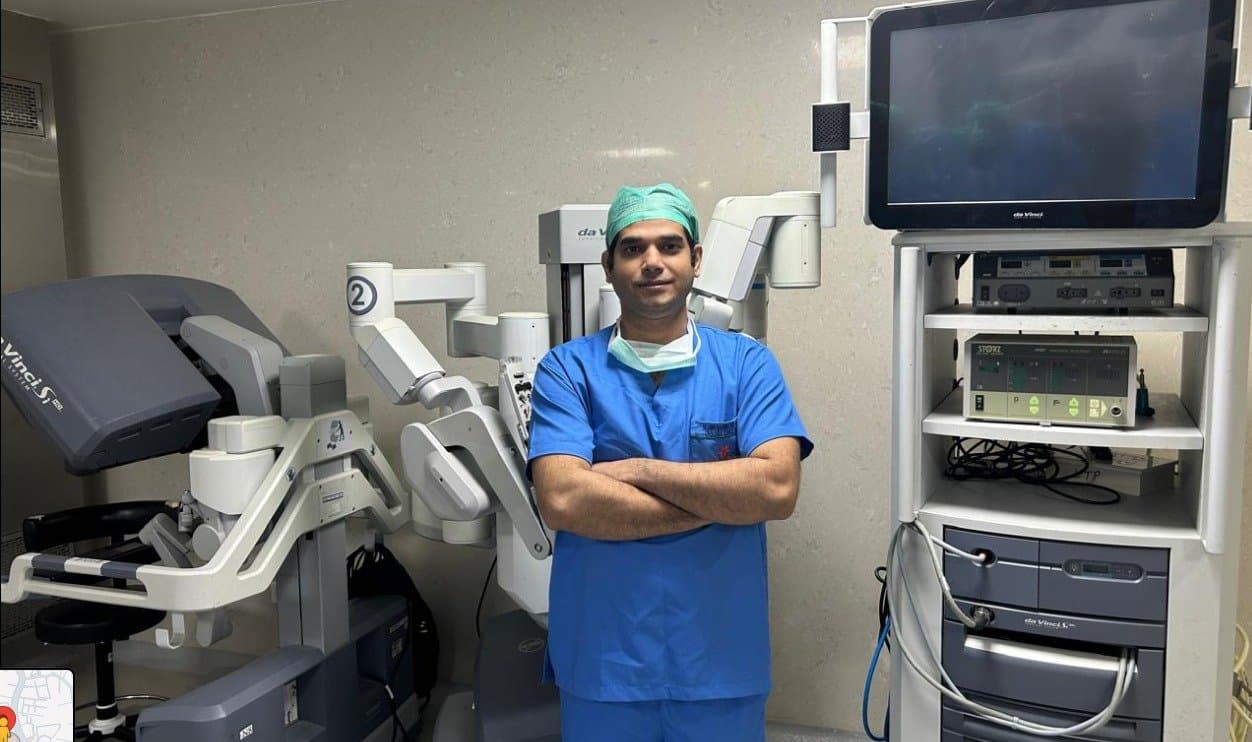


Relieve obstruction
Stents, drainage or definitive repair may be used to decompress threatened kidneys when blockage is confirmed.
Urologist & Andrologist · Hyderabad
Chronic kidney disease (CKD) is usually managed primarily by nephrology. Dr. Aman Chandra Deshpande provides urological evaluation when obstruction, stones, infections or structural problems may be worsening kidney function.
Trusted By
15k+ Happy Patients

Chronic Kidney Disease
Evaluation & treatment in Hyderabad
Urology input for structural CKD factors
Obstruction & stone source control
Shared care with nephrology
Kidney-protective procedural planning
About this condition
CKD refers to a sustained reduction in kidney function or evidence of kidney damage lasting months or longer. Causes include diabetes, hypertension, glomerular disease and obstructive uropathy.
A urologist does not replace a nephrologist. Urology input is valuable when imaging shows blockage, stones, strictures or other structural issues that can be corrected or monitored.
When obstruction or infection is corrected in time, remaining kidney function can often be better protected alongside medical CKD care.
Recognise early
These signs do not confirm a diagnosis on their own — they help decide when specialist review is useful.
Understanding risk
Evaluation
Tests are selected based on symptoms and clinical need — not every patient needs every investigation.
Review of kidney function trends with your medical team
Imaging for hydronephrosis or stones
Assessment of prostate or urethral obstruction when relevant
Infection work-up for complicated UTIs
Care options
Treatment is individualised after evaluation. Suitability depends on findings, overall health and your goals.
Stents, drainage or definitive repair may be used to decompress threatened kidneys when blockage is confirmed.
Stone treatment is planned carefully to clear obstruction while respecting reduced renal reserve.
Procedural decisions are coordinated with your nephrologist for medication safety and follow-up.
Procedures
These procedures may be discussed when clinically indicated. Not every option applies to every patient.
Urinary drainage or corrective surgery when structural blockage is contributing to kidney decline.
Targeted endoscopic or percutaneous interventions when stones or obstructed infection endanger kidney function.
Your path
A typical pathway from first consult to follow-up — adapted to your clinical needs.
Creatinine trends, nephrology notes and imaging are reviewed together.
Blockage, stones, retention or infection sources are identified.
Drainage or definitive repair when obstruction threatens kidney function.
Results and plans shared back with your nephrology team.
Before you visit
Aftercare
After obstruction relief, kidney numbers may take time to stabilise — follow both urology and nephrology advice.
Infection signs with a solitary or fragile kidney need urgent attention.
Medicines affecting kidney function should only change under your medical team's guidance.
Seek care
Why patients choose us
Patient questions
Common questions patients ask before choosing evaluation or treatment.
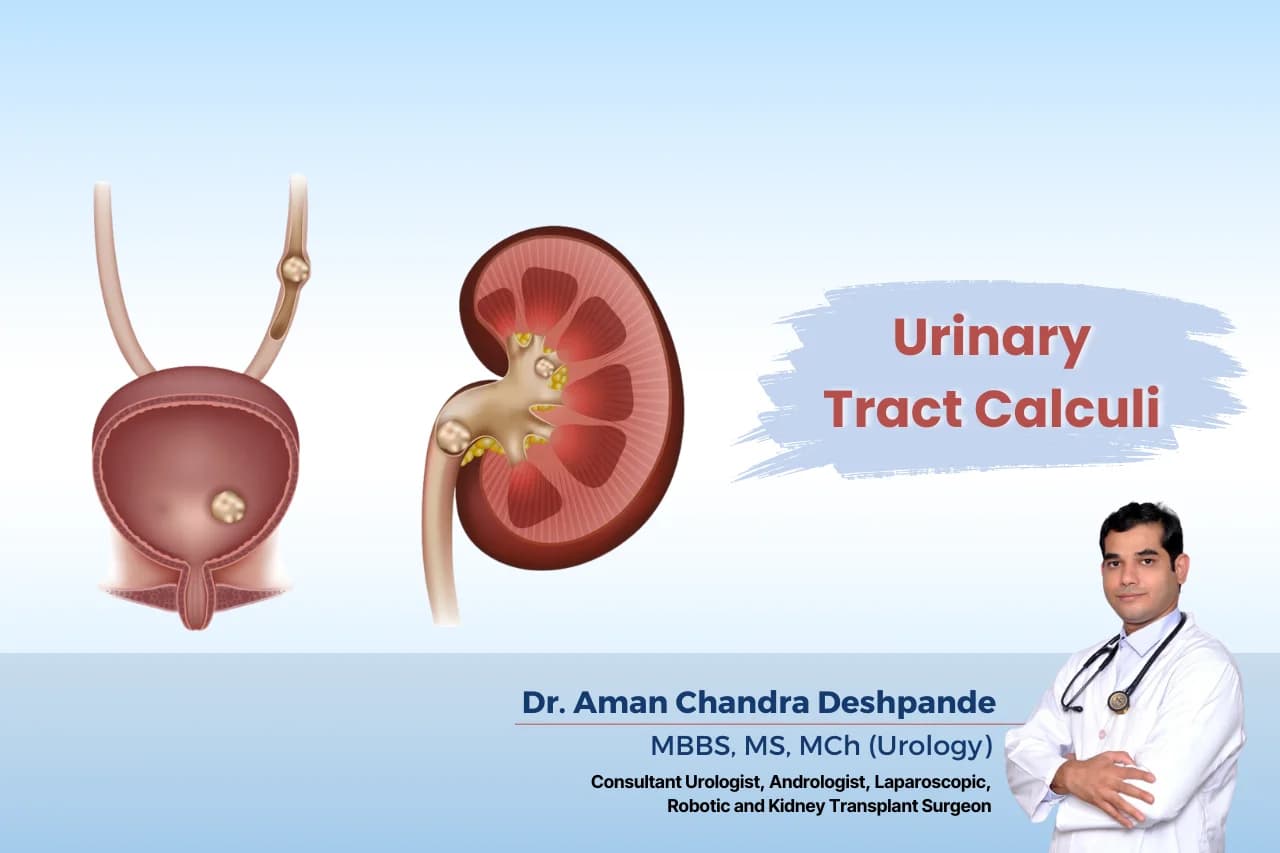
Treatment for kidney and urinary stones with medical and surgical options.
View service
Management of prostate conditions, including BPH, prostatitis, and prostate cancer.
View service
Diagnosis and treatment of urinary system cancers, including bladder and kidney.
View service